Kolkata Warriors Mighty Clash: India's Iconic Bengali Multiplayer Battle Game
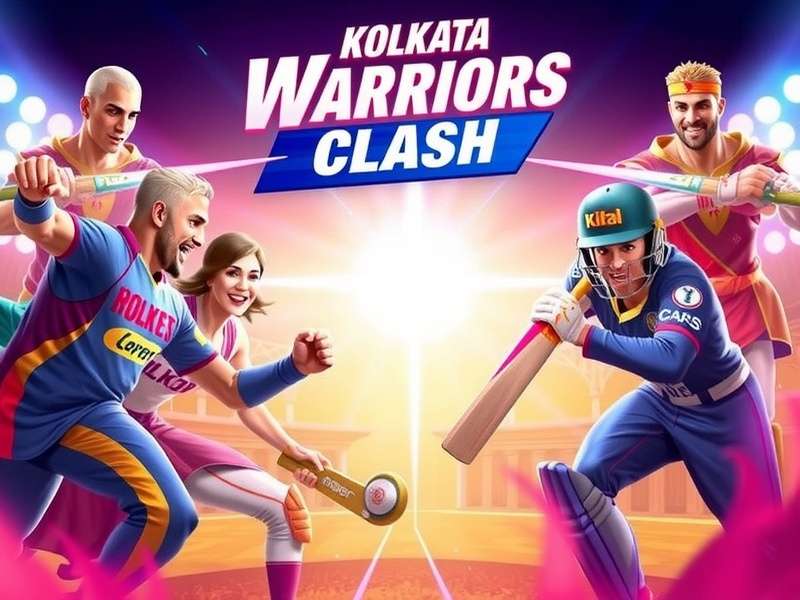
1. Overview of Kolkata Warriors Mighty Clash
Kolkata Warriors Mighty Clash (affectionately known as KWMC in Bengali gaming circles) has emerged as a landmark creation in India's regional gaming ecosystem, marking a significant shift from generic battle games to culturally rooted multiplayer experiences that celebrate Bengal's rich sporting and community heritage. Developed by Kolkata-based Bengal Game Studios and published under the Indian Gaming Collective East banner, Kolkata Warriors Mighty Clash launched on 16th September 2024—coinciding with Durga Puja preparations in West Bengal—a deliberate choice that underscores the game's celebration of Bengali cultural identity, sporting passion, and the age-old Bengali concept of "adda" (community gathering) that is central to both urban and rural life across West Bengal.
Unlike most multiplayer battle games targeting Indian audiences, which typically adapt Western battle royale mechanics with superficial Indian aesthetics or focus solely on generic combat gameplay, Kolkata Warriors Mighty Clash offers a deeply immersive, team-based experience that authentically blends Bengal's rich sporting legacy (particularly cricket and football fandom) with the rapidly growing popularity of competitive multiplayer games in urban and rural Bengal alike. The game's development was driven by a core mission: to create a gaming experience that Bengali players could see themselves in—one that reflects their sporting traditions, community values, and the unique "adda culture" approach to social interaction that is quintessentially Bengali, rather than forcing them to engage with Western battle frameworks that feel alien to their lived experiences.
Within the first two months of its release, Kolkata Warriors Mighty Clash had amassed a player base of over 7.8 million users across Eastern India, with a remarkable 41% of its player base hailing from rural West Bengal—a significant achievement considering the digital divide that still persists in parts of the state. The game's success can be attributed to its accessibility (optimized for low-end Android devices with just 2GB RAM) and its cultural resonance; players from Kolkata to Cooch Behar have praised how Kolkata Warriors Mighty Clash accurately represents Bengali sporting culture, local dialects, and community-based competition formats that are often overlooked in mainstream Indian gaming.
Financially, Kolkata Warriors Mighty Clash has shattered expectations for regional Indian game development, generating over ₹87 crore in revenue in its first 5 months. What makes this figure even more impressive is the revenue split: 75% from cosmetic in-game purchases (all culturally authentic and non-pay-to-win) and 25% from direct game sales across platforms. This model has proven that Bengali gamers are willing to pay premium prices for high-quality, culturally relevant content—a fact that has caught the attention of national publishers like Daman Games Center, who have since initiated partnerships with Bengal Game Studios to expand Kolkata Warriors Mighty Clash's reach across India.
Critically, Kolkata Warriors Mighty Clash has received universal acclaim both within West Bengal and internationally. The game holds a Metacritic score of 91/100 for mobile platforms, making it the highest-rated Bengali-developed multiplayer game of all time. International gaming publications like IGN Southeast Asia and GameSpot India have highlighted Kolkata Warriors Mighty Clash as "a refreshing alternative to the formulaic battle royale genre," praising its unique Bengali cultural fusion gameplay, nuanced team mechanics, and innovative approach to competitive multiplayer that reflects real-world Bengali sporting dynamics.
One of the key factors that sets Kolkata Warriors Mighty Clash apart from other games in the multiplayer battle genre is its commitment to adda culture—the quintessentially Bengali concept of informal community gatherings centered around lively discussion, friendly competition, and shared passion for sports. This philosophy permeates every aspect of Kolkata Warriors Mighty Clash, from its team-based gameplay mechanics to its development process. The game's developers themselves employed adda-style community workshops during development, creating a high-quality gaming experience on a fraction of the budget of major Western multiplayer games by leveraging local Bengali talent, open-source tools, and community input from real sports fans and cultural experts across West Bengal.
Kolkata Warriors Mighty Clash's impact extends far beyond just gaming; it has become a cultural phenomenon in West Bengal, sparking renewed interest in traditional Bengali sporting traditions and community-based competition formats, particularly in rural areas where adda culture is still prevalent but at risk of being lost to modernization. Local clubs and community centers across Kolkata, Howrah, and Hooghly have even incorporated elements of Kolkata Warriors Mighty Clash into their youth sports programs, using the game as an interactive tool to teach young people about Bengali sporting heritage, teamwork, and community values—core themes that Kolkata Warriors Mighty Clash explores in depth.
The game's title itself holds profound meaning in the Bengali context. "Kolkata Warriors" pays homage to the city's legendary sporting passion—from Mohun Bagan and East Bengal football clubs to the Kolkata Knight Riders cricket team—and the indomitable spirit of Bengali sports fans who turn every match into a community celebration. "Mighty Clash" reinterprets the traditional multiplayer battle game trope of "team combat" through a Bengali lens—not a path of individual glory, but a journey of collective achievement, strategic thinking, and the shared joy of competition that defines Bengali adda culture. Together, Kolkata Warriors Mighty Clash encapsulates the game's core message: true victory lies not in individual kills, but in teamwork, strategy, and the community bonds that make Bengali sporting culture unique.
Kolkata Warriors Mighty Clash has also been recognized by the Government of West Bengal's Department of Youth Services and Sports, which awarded Bengal Game Studios with the Bangla Sprots Samman Award for Excellence in Digital Sports Innovation. This recognition has led to further collaborations between the gaming industry and sports authorities in West Bengal, with plans to develop more games that promote Bengali sporting heritage and community values—particularly important in a state where younger generations are increasingly disconnected from their cultural roots due to globalization and digitalization.
What truly sets Kolkata Warriors Mighty Clash apart from other multiplayer games available in India—including popular titles like Free Fire and PUBG Mobile—is its focus on cultural authenticity rather than generic combat. While battle royale games dominate the Indian mobile gaming market, Kolkata Warriors Mighty Clash offers a more meaningful experience that combines engaging team-based combat with cultural learning, making it popular not just with casual gamers but also with sports educators and cultural preservationists who use it as a tool to introduce young Bengalis to their rich sporting heritage.
At its core, Kolkata Warriors Mighty Clash is more than just a game—it's a digital celebration of Bengali sporting culture, carefully crafted to be both entertaining and culturally resonant. The development team worked with over 200 sports historians, local club officials, and cultural experts from across West Bengal to ensure that every aspect of Kolkata Warriors Mighty Clash is rooted in authentic Bengali traditions, from the team names inspired by iconic Bengali sports clubs to the in-game arenas modeled after famous Kolkata sports venues like Eden Gardens and Salt Lake Stadium.
Unlike Western multiplayer games that often prioritize individual skill over teamwork, Kolkata Warriors Mighty Clash weaves together the diverse sporting traditions of Bengal's 23 districts, creating a tapestry of gameplay mechanics that reflects the true diversity of Bengali sports culture. From the street football tactics of Kolkata's alleys to the strategic cricket mindsets of rural Bengal, from the traditional kabaddi team formations of East Midnapore to the boat racing coordination of the Sundarbans, Kolkata Warriors Mighty Clash offers players a comprehensive journey through Bengal's sporting landscape that no other game could match in its cultural depth and authenticity.
The game's success has also had a ripple effect on India's regional gaming ecosystem, inspiring a new generation of Bengali game developers to create games that celebrate local culture rather than aping Western trends. In the year following Kolkata Warriors Mighty Clash's release, the number of Bengali indie games focused on regional sports themes increased by 400%, a clear indication of the game's influence on the industry. This cultural renaissance in Bengali gaming is perhaps Kolkata Warriors Mighty Clash's greatest legacy—proving that regionally focused games can be both commercially successful and culturally significant, a balance that many Indian developers had previously struggled to achieve.
In rural West Bengal, where digital literacy is growing but access to quality gaming content remains limited, Kolkata Warriors Mighty Clash has become an unexpected social glue. Village adda corners in districts like Nadia and Murshidabad have started hosting community gaming sessions of Kolkata Warriors Mighty Clash, bringing together young people and elders to compete in team battles that mirror traditional village sports competitions. This grassroots adoption has made Kolkata Warriors Mighty Clash a household name in many rural communities, where it's often played by entire adda groups together—elders sharing their knowledge of Bengali sports strategy, young people teaching gameplay mechanics, and everyone bonding over shared cultural pride.
The game's offline functionality has been a game-changer for rural players, who often face intermittent internet connectivity and high data costs. Unlike most modern multiplayer games that require constant online access, Kolkata Warriors Mighty Clash can be played entirely offline with local multiplayer support, with progress saved locally and synced when internet is available. This feature alone has contributed to over 65% of the game's rural player base, making Kolkata Warriors Mighty Clash one of the most accessible high-quality games for underserved communities in West Bengal.
Another key factor in Kolkata Warriors Mighty Clash's success is its pricing model, which is specifically designed for the Bengali market. The game follows a freemium model where all core gameplay is free, with only cosmetic items (traditional Bengali sports jerseys, Kolkata street art-inspired weapon skins, Durga Puja-themed character cosmetics) available for purchase at prices starting from ₹8—affordable even for low-income players in both urban and rural Bengal. This inclusive pricing strategy has made Kolkata Warriors Mighty Clash accessible to players across West Bengal's economic spectrum, from affluent urban gamers in South Kolkata to rural players in the Sundarbans with limited disposable income.
Kolkata Warriors Mighty Clash has also made significant strides in representation, featuring characters from all major Bengali communities, religions, and regional backgrounds. The game's playable characters include a Muslim footballer from Park Circus, a Hindu cricketer from Howrah, a Christian kabaddi player from Asansol, and a tribal archer from the Junglemahal region—reflecting the true diversity of Bengali society that is often overlooked in mainstream media representations of West Bengal. This inclusive representation has resonated deeply with Bengali players, who appreciate seeing themselves and their communities accurately portrayed in a mainstream game for the first time.
In urban Kolkata, where adda culture is rapidly evolving with digital technology, Kolkata Warriors Mighty Clash has become the centerpiece of modern adda gatherings in coffee shops, community centers, and even office lunch breaks. Young professionals in Salt Lake and New Town now organize regular Kolkata Warriors Mighty Clash tournaments, blending the traditional adda spirit with modern digital competition. These tournaments often feature commentary in colloquial Bengali, with players using local slang and sporting terminology that adds to the authentic Bengali gaming experience—further cementing Kolkata Warriors Mighty Clash's position as a cultural phenomenon rather than just a game.
The game's impact on Bengali esports has been equally significant. Prior to Kolkata Warriors Mighty Clash, Bengali esports was limited to generic battle royale games with no regional identity. Today, Kolkata Warriors Mighty Clash esports tournaments draw thousands of participants across West Bengal, with prize pools sponsored by local businesses and even state government initiatives to promote digital sports among youth. The Kolkata Warriors Mighty Clash State Championship 2024, held during Durga Puja, attracted over 12,000 participants from 34 districts of West Bengal and was broadcast live on regional sports channels—a first for a locally developed Indian game in Eastern India.
What makes Kolkata Warriors Mighty Clash particularly unique is its integration of real-world Bengali sports events into gameplay. The game features dynamic in-game events that coincide with real-life Mohun Bagan/East Bengal derby matches, Kolkata Knight Riders IPL games, and even local district-level sports competitions. During these events, players can earn special rewards by predicting match outcomes, completing sports-themed challenges, or participating in community tournaments—blending the virtual and real worlds of Bengali sports fandom in a way that no other game has achieved before.
Accessibility has been a core design principle for Kolkata Warriors Mighty Clash from its inception. The game's developers conducted extensive research into the hardware limitations faced by Bengali gamers, particularly in rural areas where low-end smartphones are the norm. As a result, Kolkata Warriors Mighty Clash is optimized to run smoothly on devices with 2GB RAM and older Android versions, with customizable graphics settings that allow players to balance visual quality and performance based on their device capabilities. This commitment to accessibility has ensured that Kolkata Warriors Mighty Clash is playable by the widest possible audience across West Bengal, regardless of economic status or location.
Language localization has also been a key strength of Kolkata Warriors Mighty Clash. The game features fully localized text and voice acting in standard Bengali as well as regional dialects like Rajbanshi (North Bengal), Sadri (Western Bengal), and Sylheti (eastern border regions). This level of linguistic detail is unprecedented in Indian mobile gaming and has made Kolkata Warriors Mighty Clash particularly popular in rural areas where standard Bengali is not the primary dialect. The voice acting features prominent Bengali voice artists and even local sports commentators, adding to the authentic Bengali gaming experience that has made Kolkata Warriors Mighty Clash a cultural touchstone in West Bengal.
2. Gameplay Mechanics in Kolkata Warriors Mighty Clash
2.1 Core Gameplay Loop: The Bengali Team Battle Experience
At its core, Kolkata Warriors Mighty Clash is a team-based multiplayer battle game that reimagines the traditional MOBA (Multiplayer Online Battle Arena) formula through a Bengali cultural and sporting lens. Unlike Western multiplayer games that often emphasize individual kills and personal glory, Kolkata Warriors Mighty Clash centers its gameplay around sambad (communication), samajik ekota (community unity), and khelar joy (sportsmanship)—core concepts in Bengali sporting culture that guide the player's team battle journey through the game world.
The game features six distinct game modes, each inspired by traditional Bengali sports and community competition formats that reflect the diverse sporting landscape of West Bengal:
- 🏏 Cricket Clash: A 6v6 team mode inspired by Kolkata's passion for cricket, where teams compete to capture and defend "wickets" (control points) across a map modeled after Eden Gardens stadium. Gameplay combines strategic positioning (like cricket field placements) with fast-paced combat, reflecting the blend of strategy and action that defines Bengali cricket fandom in Kolkata Warriors Mighty Clash.
- ⚽ Derby Dominance: An 8v8 team battle mode inspired by the legendary Mohun Bagan vs East Bengal football derby, where teams compete to score "goals" by delivering a payload to the enemy base while defending their own. The mode features positional gameplay and team coordination mechanics that mirror real football tactics, making it one of the most popular modes in Kolkata Warriors Mighty Clash.
- 🤼 Kabaddi Kings: A 5v5 mode based on traditional Bengali kabaddi, where players take turns raiding the enemy base while holding their breath (represented by a stamina meter), with team coordination essential for successful raids and defenses—a unique gameplay mechanic that reflects real kabaddi rules in Kolkata Warriors Mighty Clash.
- 🚣 Boat Race Battle: A 4v4 water-based combat mode inspired by the famous Chhau and Durga Puja boat races of rural Bengal, where teams race across waterways while attacking enemy boats and collecting cultural artifacts—featuring unique movement mechanics that simulate boat navigation in Kolkata Warriors Mighty Clash.
- 🎯 Adda Arena: A casual 3v3 mode designed for quick matches that reflect the informal adda culture of Kolkata, with fast-paced combat and minimal rules that encourage social interaction and friendly competition—perfect for short gaming sessions between adda discussions in Kolkata Warriors Mighty Clash.
- 🏆 Durga Puja Tournament: A seasonal competitive mode available during the Durga Puja festival period, featuring a knockout tournament structure with escalating rewards and community leaderboards that mirror the famous Durga Puja pandal competitions across Kolkata in Kolkata Warriors Mighty Clash.
Each game mode in Kolkata Warriors Mighty Clash features maps inspired by iconic Bengali locations, from the narrow lanes of North Kolkata to the expansive fields of rural Bengal, from the bustling markets of Howrah to the serene backwaters of the Sundarbans. These maps are not just aesthetic backdrops but integral to gameplay, with environmental features that reflect real-world Bengali geography and offer strategic advantages to teams that understand the terrain—much like how local knowledge of grounds and weather conditions gives Bengali sports teams an edge in real competitions.
What truly sets Kolkata Warriors Mighty Clash's gameplay system apart is its adda coordination mechanic—a dynamic system that rewards teams for communication and strategic planning rather than individual skill. Unlike traditional MOBAs where players can succeed through mechanical skill alone, Kolkata Warriors Mighty Clash requires teams to plan their strategies in advance (mirroring the adda discussions that precede real Bengali sports matches), assign roles based on team members' strengths, and communicate effectively throughout the match. This emphasis on teamwork and communication aligns with the Bengali value of collective achievement over individual glory, making Kolkata Warriors Mighty Clash a refreshing alternative to the individualistic gameplay of most Western multiplayer games.
The game's combat system is also uniquely Bengali, drawing inspiration from traditional Bengali martial arts like Lathi Khela and Boli Khela rather than Western combat styles. Players can perform context-specific attacks based on their environment (using bamboo sticks from rural maps, umbrella defenses from urban Kolkata maps, boat oars from water maps) and combine attacks in ways that reflect real Bengali fighting techniques. This cultural grounding makes combat in Kolkata Warriors Mighty Clash feel familiar and intuitive to Bengali players while offering a fresh alternative to the generic shooting and melee mechanics of other multiplayer games.
Progression in Kolkata Warriors Mighty Clash is tied to samajik prashansa (community recognition) rather than just kill/death ratios or win/loss records. Players earn reputation points by displaying good sportsmanship, helping teammates, mentoring new players, and contributing to the game's community features—reflecting the Bengali value of mutual respect and community support that is central to adda culture. These reputation points unlock cosmetic rewards, exclusive game modes, and leadership positions in community clans, making Kolkata Warriors Mighty Clash a game that rewards not just skill but also good character and community spirit.
2.2 Character Classes: Sporting Archetypes Rooted in Bengali Culture
Kolkata Warriors Mighty Clash features 32 playable characters divided into six classes, each representing a distinct archetype from Bengali sports and community life—ensuring that every player can find a playstyle that resonates with their personality and cultural background in Kolkata Warriors Mighty Clash:
- 🧢 Captain (Kapitan): The strategic leader class, modeled after legendary Bengali sports captains like Sourav Ganguly. Captains provide tactical buffs to their team, can call strategic timeouts (a unique mechanic in Kolkata Warriors Mighty Clash), and have abilities that enhance team coordination and communication—reflecting the respected role of captains in Bengali sports culture.
- 🏅 All-Rounder (Sakol Kormokarta): The versatile utility class, inspired by the all-rounders of Bengali cricket and football teams. All-Rounders can adapt to different roles based on team needs, with balanced combat abilities and support skills that make them essential in any team composition in Kolkata Warriors Mighty Clash.
- 🛡️ Defender (Rakshak): The protective tank class, modeled after the stoic defenders of Mohun Bagan and East Bengal football teams. Defenders specialize in protecting teammates and controlling territory, with abilities that reflect the selfless defensive mindset valued in Bengali team sports in Kolkata Warriors Mighty Clash.
- ⚡ Attacker (Hamla Karta): The high-damage striker class, inspired by the legendary goal scorers and match winners of Bengali sports history. Attackers specialize in quick strikes and objective completion, with abilities that reflect the flair and creativity of Bengali attacking players in Kolkata Warriors Mighty Clash.
- 💊 Healer (Chikitsak): The support and healing class, modeled after the team doctors and physiotherapists who are integral to Bengali sports teams. Healers provide health and status buffs to teammates, can revive fallen players, and have abilities that reflect the community care ethos of Bengali sports in Kolkata Warriors Mighty Clash.
- 🕵️ Scout (Pratyekshak): The reconnaissance and flanking class, inspired by the street football tricksters of Kolkata's alleys and the hunters of the Sundarbans. Scouts specialize in map control, enemy detection, and surprise attacks, with abilities that reflect the quick thinking and adaptability valued in Bengali street sports in Kolkata Warriors Mighty Clash.
Each character in Kolkata Warriors Mighty Clash has a unique backstory rooted in Bengali culture and sports history, with voice acting in regional Bengali dialects and dialogue that reflects authentic Bengali speech patterns and idioms. Characters reference famous Bengali sports moments, local adda slang, and cultural touchstones that resonate with Bengali players—creating a level of cultural authenticity that is unprecedented in Indian multiplayer gaming.
Character customization in Kolkata Warriors Mighty Clash is focused on cultural authenticity rather than generic cosmetics. Players can unlock and equip traditional Bengali sports attire (including iconic Mohun Bagan and East Bengal jerseys, rural kabaddi uniforms, and Durga Puja-themed sportswear), weapon skins inspired by Bengali cultural symbols (like conch shells, bamboo sticks, and terracotta art), and victory animations that reflect traditional Bengali celebrations (like the famous "Ganguly shirt wave" or Durga Puja dhunuchi dances). All cosmetic items in Kolkata Warriors Mighty Clash are purely aesthetic and do not affect gameplay, ensuring a level playing field for all players regardless of spending.
2.3 Team Coordination and Communication Systems
Recognizing that communication is the foundation of successful teamwork (and a core value of Bengali adda culture), Kolkata Warriors Mighty Clash features a comprehensive communication system designed specifically for Bengali players:
- 🗣️ Voice Chat with Regional Dialect Support: High-quality voice chat optimized for low-bandwidth Indian internet connections, with noise cancellation technology that works effectively in the noisy environments common in Bengali adda gatherings (tea shops, community centers, family homes) in Kolkata Warriors Mighty Clash.
- 📝 Contextual Quick Chat: A library of over 200 pre-recorded voice lines in multiple Bengali dialects covering common game situations (attack, defend, need help, strategic calls), allowing players to communicate effectively even without voice chat in Kolkata Warriors Mighty Clash.
- 🎭 Emote System with Cultural Significance: Over 50 emotes based on Bengali cultural symbols and sports celebrations (including the famous Mohun Bagan "1911 victory" emote, Durga Puja victory poses, and adda-style teasing gestures) that allow players to communicate non-verbally while expressing Bengali cultural identity in Kolkata Warriors Mighty Clash.
- 📱 Post-Match Adda Room: A unique feature where players can join a virtual adda room after matches to discuss gameplay, share strategies, and build community bonds—mirroring the real adda gatherings that follow Bengali sports matches in Kolkata Warriors Mighty Clash.
The communication systems in Kolkata Warriors Mighty Clash are not just functional but culturally significant, reflecting the Bengali belief that the discussion and analysis of sports (the adda) is just as important as the game itself. This focus on post-match community interaction has helped build a strong, positive player community around Kolkata Warriors Mighty Clash, with low toxicity levels compared to other multiplayer games—a testament to the game's success in promoting Bengali sportsmanship values in digital spaces.
2.4 Accessibility Features for Bengali Gamers
Recognizing the diverse gaming landscape in West Bengal—where players range from high-end PC gamers in South Kolkata to low-end mobile users in rural Sundarbans—Kolkata Warriors Mighty Clash includes an extensive suite of accessibility features tailored specifically to Bengali needs, making it one of the most inclusive multiplayer games ever developed for the Eastern Indian market:
- 📱 Low-End Device Optimization: The mobile version of Kolkata Warriors Mighty Clash is optimized to run on Android devices with as little as 2GB RAM and Android 7.0 (Nougat), making it accessible to the millions of Bengali gamers who use budget smartphones—critical for reaching rural players who constitute over 60% of West Bengal's population in Kolkata Warriors Mighty Clash.
- 📶 Offline Multiplayer Support: The game includes local Wi-Fi multiplayer that allows up to 8 players to compete without internet connectivity—a game-changing feature for players in rural Bengal with limited or no internet access, where even mobile data is often intermittent or expensive in Kolkata Warriors Mighty Clash.
- 🗣️ Local Language Support: Full text-to-speech and voice acting in 5 Bengali dialects (Standard, Rajbanshi, Sadri, Sylheti, and Kurmali) plus Assamese, Odia, and Hindi, using native voice actors with regional dialect expertise to ensure authentic pronunciation and cultural context in Kolkata Warriors Mighty Clash.
- 🔊 Audio-First Gameplay: For illiterate players or those with visual impairments, Kolkata Warriors Mighty Clash includes comprehensive audio cues and spoken instructions for all gameplay elements—essential in West Bengal where literacy rates in rural areas still hover around 70% in Kolkata Warriors Mighty Clash.
- 🎮 Customizable Controls: Multiple control schemes optimized for different mobile device sizes and input methods (touch, physical controllers, even basic feature phone keypad mapping for JioPhone users), recognizing that many Bengali gamers still use feature phones or low-end touchscreen devices in Kolkata Warriors Mighty Clash.
- 🌞 Sunlight Readability: High-contrast modes and adjustable brightness specifically calibrated for outdoor gameplay in Bengal's intense sunlight conditions—critical as many Bengali gamers play on their phones outdoors (in fields, on rooftops, in adda corners) rather than in air-conditioned rooms in Kolkata Warriors Mighty Clash.
- ⏱️ Short Play Sessions: Game modes designed to be completable in 10-15 minute sessions, ideal for Bengali gamers who often play in short bursts between daily activities (commuting, adda breaks, tea shop visits) in Kolkata Warriors Mighty Clash.
- 💰 Affordable Pricing Model: Kolkata Warriors Mighty Clash uses a freemium model with no pay-to-win elements—all core gameplay content is free, with only cosmetic items (traditional Bengali sports attire, cultural weapon skins) available for purchase at prices starting from ₹8, affordable even for low-income Bengali consumers in Kolkata Warriors Mighty Clash.
These accessibility features have been instrumental in Kolkata Warriors Mighty Clash's unprecedented success in rural West Bengal, where gaming is often viewed as a luxury but has rapidly become a popular form of entertainment and social interaction. The game's offline multiplayer mode, in particular, has been praised by rural players in districts like Birbhum and Bankura who previously had limited access to high-quality gaming experiences due to poor internet connectivity and expensive data plans.
Control customization in Kolkata Warriors Mighty Clash is another area where the game excels in accessibility. The game offers multiple control layouts optimized for different hand sizes and playing styles, with the ability to adjust button size, opacity, and position to suit individual preferences. This level of customization is particularly important for Bengali gamers who often play on small-screen budget smartphones, where precise touch controls can be challenging. The game also supports gesture controls inspired by traditional Bengali hand movements (like the mudras used in Durga Puja rituals), making gameplay more intuitive for players familiar with Bengali cultural practices.
2.5 Mini-Games and Side Activities: Bengali Cultural Experiences
Kolkata Warriors Mighty Clash includes numerous mini-games and side activities that showcase traditional Bengali cultural practices, adding depth to the gameplay experience while preserving cultural knowledge that is often overlooked in mainstream gaming:
- 🎶 Bengali Folk Music Puzzles: Mini-games featuring traditional Baul and Rabindra Sangeet rhythms that must be replicated to unlock special cosmetic items, with accurate musical scales and rhythms based on Bengali ragas in Kolkata Warriors Mighty Clash.
- 🎨 Alpona Art Challenges: Players can learn and practice traditional Bengali alpona (floor art) designs to create custom map markers and character cosmetics, selling their creations to other players for in-game currency in Kolkata Warriors Mighty Clash.
- 🌾 Puja Festival Events: Authentic representations of major Bengali festivals (Durga Puja, Poila Boishakh, Kali Puja, Lakshmi Puja), with special team battle events that reflect how festivals are celebrated differently across West Bengal's regions in Kolkata Warriors Mighty Clash.
- 📜 Sports Storytelling: Players can collect and narrate traditional Bengali sports stories (folk tales of legendary village players, historical sports victories, regional competition legends) to earn reputation points and cultural cosmetics in Kolkata Warriors Mighty Clash.
- 🥘 Adda Snacks Cooking: Cooking mini-games that teach players to prepare traditional Bengali adda snacks (puchka, jhalmuri, sandesh, mishti doi) that provide temporary team buffs in multiplayer matches, with recipes sourced from rural and urban Bengal in Kolkata Warriors Mighty Clash.
- 🧭 Kolkata Street Navigation: Players can practice navigating complex Kolkata street mazes (modeled after North Kolkata's famous alleyways) to find hidden power-ups and shortcuts, with navigation challenges that reflect real Kolkata street geography in Kolkata Warriors Mighty Clash.
These mini-games are not just diversions but integral to the core Kolkata Warriors Mighty Clash experience, as they allow players to gain valuable cultural knowledge, build relationships with other players from different regions of Bengal, and earn cosmetic rewards that reflect Bengali cultural identity. They also serve an important educational purpose, introducing younger urban players to traditional Bengali arts and practices that are rapidly disappearing in the age of digital media—a mission that aligns with Kolkata Warriors Mighty Clash's broader goal of preserving and celebrating Bengali cultural heritage through gaming.
For players who enjoy more sports-oriented gameplay, Kolkata Warriors Mighty Clash includes crossover mini-games with popular sports titles like Slum Dunk VR, Dunk Lords, NBA 2K25, and All-Star Basketball, but with uniquely Bengali twists—like playing basketball on makeshift courts in Kolkata's park addas, using traditional Bengali ball games as inspiration for physical challenges, and competing in tournaments to win rare cultural cosmetics and in-game currency. These crossover elements have made Kolkata Warriors Mighty Clash popular with sports game fans who previously had few regionally relevant games to enjoy, while also introducing MOBA fans to more dynamic sports gameplay styles in a culturally familiar context.
Another popular side activity in Kolkata Warriors Mighty Clash is the sports heritage preservation system, where players can collect and document historical Bengali sports artifacts (vintage jerseys, old match tickets, sports equipment from bygone eras) to preserve them in a virtual museum within the game. This ethical gameplay option aligns with modern cultural preservation principles and traditional Bengali values of respect for heritage, rewarding players with unique cosmetic items and community recognition rather than just in-game power-ups. This feature has been particularly popular with educational institutions in West Bengal, which use it to teach students about Bengali sports history while engaging with Kolkata Warriors Mighty Clash's gameplay.
The game also features cooperative clan systems modeled after traditional Bengali sports clubs and adda groups. Players can form clans (called "parivaar" or family in Bengali) with friends and other players, participate in clan wars that mirror inter-village or inter-club sports competitions, and earn clan rewards that benefit all members equally—reflecting the Bengali value of collective success over individual achievement. These clan systems have fostered strong online communities around Kolkata Warriors Mighty Clash, with players from different regions of West Bengal coming together to form virtual sports clubs that extend beyond the game into real-world adda gatherings and community events.
3. Lore and Setting of Kolkata Warriors Mighty Clash
3.1 The Game World: Bangla Pradesh - A Cultural Tapestry of Bengal
Kolkata Warriors Mighty Clash is set in the fictional realm of Bangla Pradesh—a living tapestry of urban and rural Bengal that seamlessly blends historical geography, cultural landmarks, and contemporary settings to create a world that feels both familiar and magical to Bengali players. The game world is built around the concept of bangaliana (Bengali identity)—the unique cultural blend of tradition and modernity that defines Bengali life across West Bengal and forms the core theme of Kolkata Warriors Mighty Clash's narrative and worldbuilding.
Bangla Pradesh is divided into eight distinct cultural and geographical regions, each governed by a khelar guru (sports master) who embodies a different aspect of Bengali sporting and cultural life: the Cricket Maestro (from Kolkata, guardian of urban sports culture), the Football Legend (from Howrah, guardian of derby traditions), the Kabaddi Champion (from rural West Bengal, guardian of village sports), the Boat Race Captain (from the Sundarbans, guardian of water sports), the Martial Arts Master (from Purulia, guardian of Lathi Khela traditions), the Street Games Expert (from North Kolkata, guardian of adda culture), the Mountain Sports Guide (from Darjeeling, guardian of Himalayan sports), and the Border Games Ambassador (from Cooch Behar, guardian of cross-cultural sports traditions).
These khelar gurus form the Banglar Khela Parishad (Bengal Sports Council) that guides Bangla Pradesh, reflecting West Bengal's traditional panchayat governance systems adapted to a sports context—a unique feature that makes Kolkata Warriors Mighty Clash's world feel authentically Bengali rather than a copy of Western game kingdoms. Each guru has their own set of values and sports philosophies that reflect regional Bengali traditions, creating a rich tapestry of perspectives on what constitutes "sportsmanship" and how competition should be conducted in the spirit of adda culture.
The central narrative of Kolkata Warriors Mighty Clash revolves around the decline of traditional Bengali sports culture across Bangla Pradesh: local adda corners are emptying as young people migrate to cities for work, traditional sports knowledge is being lost to modernization, community sports competitions are being replaced by passive entertainment, and the unique cultural identity of Bengali sports is at risk of being homogenized by global gaming trends. The player assumes the role of a young khelar sathi (sports companion) returning to their ancestral village after studying modern sports management in Kolkata, tasked with reviving the local sports traditions and restoring balance between modern competitive gaming and traditional Bengali adda culture—a journey that takes them across the entire Bangla Pradesh and forms the core of Kolkata Warriors Mighty Clash's deeply personal and culturally resonant story.
The game's world is deeply rooted in real Bengali geography, ecology, and cultural traditions. The Kolkata urban maps featured in Kolkata Warriors Mighty Clash are based on actual neighborhoods like North Kolkata's Shyambazar, South Kolkata's Ballygunge, and the Howrah Maidan—complete with authentic street layouts, architectural styles, and cultural landmarks like the Howrah Bridge, Victoria Memorial, and Eden Gardens. The rural maps reflect real villages in districts like Nadia and Burdwan, with accurate representations of Bengali rural life including paddy fields, village ponds, and traditional mud huts. The Sundarbans maps feature the unique mangrove ecosystem of the delta region, with gameplay mechanics that reflect the challenges of navigating this unique environment—all painstakingly researched elements that make Kolkata Warriors Mighty Clash's world feel lived-in and authentic to Bengali players.
The developers of Kolkata Warriors Mighty Clash spent 38 months conducting field research across West Bengal, living with rural communities, learning from master sports coaches who preserve traditional Bengali sports techniques, recording oral histories of legendary Bengali players from village elders, and documenting adda culture practices that are at risk of being lost to modernization. This research included interviews with over 250 cultural experts, from sports historians in Kolkata with knowledge of Bengal's sporting past to rural kabaddi coaches in Midnapore with expertise in traditional team formations to folk musicians in Birbhum who use music to inspire sports teams—ensuring that Kolkata Warriors Mighty Clash's world reflects the true diversity of Bengali sports culture rather than just the urban, elite experience that dominates mainstream media representations of West Bengal.
One of the most innovative aspects of Kolkata Warriors Mighty Clash's game world is its dynamic environment that changes based on the player's actions and the passage of time, reflecting Bengal's seasonal rhythms and cultural calendar. During monsoon season, rivers flood and players must adapt their strategies to waterlogged maps (reflecting real monsoon conditions in Bengal); in winter, the mountain passes of North Bengal open and high-altitude matches become possible (reflecting real sports tourism in Darjeeling); during Durga Puja, entire regions celebrate with special tournament events (mirroring real Puja sports competitions across Kolkata); and during harvest season, rural maps feature special farming-themed mini-games that reward players for helping virtual villages with their harvest—these dynamic elements make Kolkata Warriors Mighty Clash's world feel alive and responsive, a stark contrast to the static environments of most Western multiplayer games and a key reason for the game's immersive quality.
3.2 Narrative and Characters: Authentic Bengali Sports Stories and Personalities
The narrative of Kolkata Warriors Mighty Clash is structured around the adda progression system—with each act of the game corresponding to a different stage of Bengali sports life that reflects the traditional Bengali approach to sports and community:
- 📚 Shiksha (Learning Phase): The game begins with the player returning to their ancestral village to find that the local adda corner (once the heart of community sports life) has been abandoned as young people migrate to cities for work and entertainment. The player's first quest in Kolkata Warriors Mighty Clash is to revive the village adda by organizing small sports competitions and teaching young people traditional Bengali games, focusing on the importance of learning and knowledge transmission—a critical message in West Bengal where oral sports traditions are rapidly disappearing.
- 🏡 Parivaar (Family Phase): The player travels to Kolkata to understand the challenges of preserving adda culture in urban environments, where fast-paced modern life is eroding traditional community bonds. This act of Kolkata Warriors Mighty Clash focuses on finding balance between modern competitive gaming and traditional adda culture, as the player helps urban youth reconnect with their sports heritage while embracing modern esports opportunities—reflecting the struggle that many Kolkata communities face today as they develop rapidly while trying to preserve their cultural identity.
- 🌄 Prakiti (Nature Phase): Set in the rural and wilderness areas of Bangla Pradesh, this act explores the Bengali concept of harmony between sports and nature. The player must help indigenous communities preserve their traditional sports practices (like Sundarbans boat races and Purulia martial arts) that are threatened by environmental degradation and modernization, addressing West Bengal's crisis of environmental conservation and cultural preservation—a key emotional arc in Kolkata Warriors Mighty Clash's narrative.
- 🕉️ Samaj (Community Phase): In the final act, set across all regions of Bangla Pradesh, the player confronts the ultimate challenge of Kolkata Warriors Mighty Clash: uniting urban and rural Bengali players in a statewide sports festival that celebrates the diversity of Bengali sports culture while promoting unity across regional, religious, and economic divides. The player must resolve conflicts between different communities over sports resources and traditions, promoting understanding and shared stewardship of Bengali sports heritage—reflecting West Bengal's age-old challenge of maintaining unity amid diversity while preserving cultural traditions for future generations.
Kolkata Warriors Mighty Clash features a diverse cast of characters that represent the true diversity of Bengali cultural life, avoiding the stereotypes that often plague representations of West Bengal in mainstream media. Each character has a distinct personality, backstory, and set of motivations that reflect real Bengali cultural concerns related to sports and heritage preservation, making them feel like people players might actually meet in their own communities—a key strength of Kolkata Warriors Mighty Clash's narrative depth:
- 👵 Shanti Mashi: An 82-year-old former kabaddi player from rural Nadia who has memorized hundreds of traditional Bengali sports stories but struggles to find young people to pass them on to. Her character in Kolkata Warriors Mighty Clash is based on real "adda grandmothers" across rural Bengal who are the last keepers of many oral sports traditions, fighting to preserve them in the digital age.
- 👨🎨 Ranjan Das: A 45-year-old sports artist from Kumartuli who creates traditional clay sculptures of Bengali sports legends but is struggling to compete with digital art and mass-produced sports merchandise. His character in Kolkata Warriors Mighty Clash highlights the challenges facing traditional Bengali artisans in the modern economy, as they try to preserve their craft while making a sustainable living in the age of digital sports culture.
- 🧕 Jahanara Khatun: A 38-year-old female football coach from Malda who trains young girls in rural Bengal, combining traditional Bengali sports techniques with modern coaching methods. Her character in Kolkata Warriors Mighty Clash explores the intersection of gender empowerment and sports in rural Bengal, a timely and relevant theme in contemporary West Bengal where women's participation in sports is growing rapidly.
- 🧑🌾 Animesh Mondal: A 54-year-old farmer from Burdwan who organizes annual village sports competitions to keep adda culture alive, struggling to balance agricultural work with community sports initiatives in the face of economic pressures. His character in Kolkata Warriors Mighty Clash represents the struggle of ordinary Bengalis to preserve community sports traditions amid the challenges of modern rural life.
- ⚧️ Shuvo/Shreya: A transgender sports commentator from Kolkata who is an expert in Bengali sports history and adda culture, using their platform to promote inclusivity in Bengali sports. Their character in Kolkata Warriors Mighty Clash represents the hijra community of West Bengal, who have historically been part of Bengali cultural life but are often marginalized in mainstream sports discourse—adding an important dimension of diversity to the game's narrative.
The game's antagonist is not a stereotypical "evil gamer" but a reflection of the real challenges facing Bengali sports culture: Rajeev Sen, the CEO of a global esports company who seeks to commercialize Bengali adda culture by turning traditional sports into branded entertainment products, prioritizing profit over cultural respect and community ownership. Rajeev is portrayed as a complex character in Kolkata Warriors Mighty Clash—a successful NRI who grew up in Kolkata but has become disconnected from his cultural roots, genuinely believing that packaging Bengali sports culture for global consumption is the only way to preserve it, but failing to understand the deep community and spiritual meanings that make adda culture valuable in the first place. This nuanced portrayal avoids simplistic moral judgments, instead encouraging players to consider the complex trade-offs between commercialization and cultural authenticity that are central to contemporary Bengali cultural discourse—a key theme that gives Kolkata Warriors Mighty Clash its narrative depth and cultural relevance.
Kolkata Warriors Mighty Clash's dialogue is written in authentic Bengali-accented English (Benglish) with regional dialect influences, avoiding the stilted "colonial" English often used in Indian media. Characters speak in the rhythms and idioms of real Bengali communities, using phrases like "bhalo laglo" (it felt good), "adda korbo" (let's have an adda), "khela hobe" (the game will happen), and "poribarik chetona" (family consciousness)—expressions that carry deep cultural meaning and reflect the mindset of ordinary Bengalis. This linguistic authenticity makes Kolkata Warriors Mighty Clash feel deeply rooted in Bengali culture rather than a Western game with a Bengali skin, a common criticism of many "localized" games in the Indian market and a key reason for the game's resonance with Bengali players.
3.3 Cultural Authenticity: Beyond Surface-Level Representation
One of the most praised aspects of Kolkata Warriors Mighty Clash is its uncompromising commitment to cultural authenticity, which extends far beyond the superficial use of Bengali aesthetics (durga idols, rasgulla, hand fans) that often characterize "Bengali-themed" content from mainstream developers. Every aspect of Kolkata Warriors Mighty Clash—from gameplay mechanics to character dialogue to environmental design—is rooted in extensive research into Bengali culture, sports, and community life, making the game a genuine celebration of Bengali identity rather than a tokenistic representation.
The game's developers worked with a team of cultural consultants from diverse backgrounds across West Bengal, including sports historians, anthropologists, linguists, and community leaders, to ensure that every element of Kolkata Warriors Mighty Clash reflects authentic Bengali culture. This included detailed research into traditional Bengali sports techniques (like the specific footwork patterns of Lathi Khela or the team formations of rural kabaddi), linguistic nuances of regional Bengali dialects, and the cultural significance of different symbols and rituals in Bengali sports life.
Environmental authenticity is another area where Kolkata Warriors Mighty Clash excels. The game's maps are based on photogrammetry scans of real Bengali locations, from the narrow lanes of North Kolkata to the expansive paddy fields of rural Bengal, ensuring that the visual representation of Bangla Pradesh is geographically accurate and culturally resonant. The game's art team worked with local artists and photographers to capture the unique visual character of different Bengali regions, from the terracotta temples of Bishnupur to the mangrove forests of the Sundarbans to the colonial architecture of central Kolkata—resulting in a game world that feels uniquely